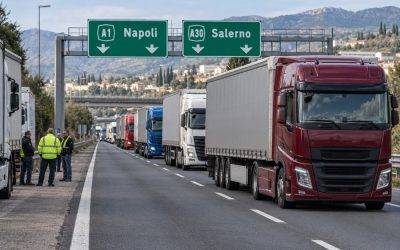
Despite some recent improvement, port congestion continues to be one of the most persistent issues in global logistics as the industry fast approaches 2026.
Although some ports have reported improved vessel wait times in recent weeks, this improvement appears to stem more from softer demand than from lasting operational gains. Overall, disruption remains widespread.
Many ports have experienced unprecedented vessel backlogs throughout the year, and 2026 could bring similar challenges – especially if ocean carriers revert to using the Suez Canal.
Key hubs such as Shanghai, Ningbo, Singapore, Los Angeles/Long Beach, Antwerp, and Rotterdam have been hit the hardest this year and all faced sibstantial bottlenecks, though congestion is by no means confined to these ports.
In the UK, major ocean terminals – including Felixstowe, London Gateway, and Southampton – have also grappled with ongoing delays.
Compounding the problem, adverse weather and labour-related disputes have slowed operations across multiple regions. Strikes in Rotterdam, Portugal, and Mexico have recently impacted port productivity, while a nationwide strike in Belgium threatens further disruption at Antwerp.
Looking forward, one of the biggest variables for next year is whether carriers will abandon the current detours around the Cape of Good Hope. A widespread return to the shorter Suez Canal route would speed up transit times but could also concentrate vessel arrivals. Ships that are currently staggered due to longer journeys may instead arrive in tighter waves, increasing pressure on heavily burdened European and Asian ports.
With these factors in play, port congestion is likely to remain a central challenge next year. Caledonian Freight will continue to track developments closely. For assistance with logistics planning or contingency measures, please reach out to our team for tailored support.