Persistent heat and drought across Europe have created ongoing challenges for freight movements this year, with exceptionally low river levels now affecting both inland waterways and road transport.
A prolonged dry summer has reduced water levels on major rivers including the Rhine and Danube, restricting the amount of cargo that barges can safely carry. The Rhine is particularly important to European supply chains, providing a vital inland freight route between major ocean ports and industrial centres across Germany, France and Switzerland.
When water levels fall, vessels are often forced to operate with lighter loads. This reduces available capacity, increases transport costs and can place additional pressure on manufacturers and supply chains that depend heavily on inland waterways.
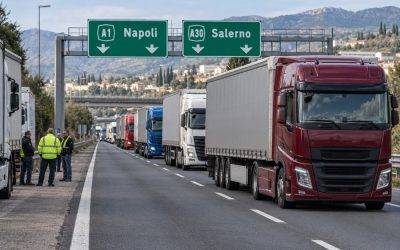
The impact is also being felt on Europe’s roads. With significant freight volumes being transferred from barges to trucks, road traffic has increased, especially in Germany.
In response, restrictions preventing heavy goods vehicles from travelling on Sundays and at weekends have largely been removed across Germany. Berlin and Brandenburg became the final two of the country’s 16 states to approve Sunday truck movements last week, helping additional road freight capacity respond to the disruption.
The situation highlights another challenge for European supply chains. As prolonged periods of extreme heat and drought become increasingly common, low-water restrictions could become a more regular consideration when planning European freight movements.
Caledonian Freight continues to monitor conditions closely, helping customers identify potential disruption and consider the most suitable routing and transport options for their shipments.