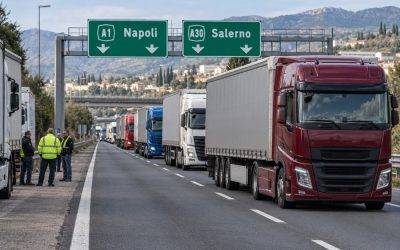
Port congestion at numerous global container terminals is expected to remain a major issue into the peak season. A combination of operational difficulties and ongoing global trade disruptions continues to cause significant delays across key shipping hubs.
In the UK
In the United Kingdom, ports including Felixstowe, London Gateway, and Southampton are grappling with congestion challenges. These facilities are seeing extended waiting times and high yard occupancy levels, creating a continued strain on logistics operations.
In Europe
Several key European ports are experiencing severe backlogs. Antwerp, Rotterdam, Hamburg, and Bremerhaven are facing vessel waiting times ranging from several days to two weeks. The delays are further aggravated by industrial action, low water levels on the Rhine, and high yard utilisation, which continues to disrupt terminal operations.
Around The Globe
Globally, major ports such as Singapore and Cape Town are also dealing with severe congestion, with vessel queues growing longer by the day. These bottlenecks are adding to the already overstretched supply chain, with key ports in China and the United States, including Shanghai, Shenzhen, Los Angeles, and New York, also reporting increasing delays.
What is Causing the Problem?
A primary contributor to the delays is the shortage of terminal capacity for Ultra Large Container Vessels (ULCVs). As the size of ships continues to increase, many ports are unable to efficiently manage these vessels, creating bottlenecks that are expected to persist. Additional challenges, such as schedule disruptions, diversions from the Red Sea and ever-changing US tariffs, are exacerbating the issue.
The Caledonian Freight team are always eager to assist with any supply chain challenges you may be facing, for further information please do not hesitate to get in touch with us.