The EU plans to introduce its new Entry/Exit system (EES) from November 10th, which is the new digital border system that changes requirements for British nationals travelling to Europe.
More specifically, travellers with a UK passport, or non-EU passport, will be required to register biometric details, such as fingerprints or a photo, when heading to a country within the Schengen Area, which encompasses all EU countries except Ireland and Cyprus, along with Iceland, Norway, Switzerland and Liechtenstein.
For air travel, the checks with take place at destination, but for rail and road arrivals, the checks will happen at the UK exit point.
Under the new EES rules, UK citizens will also be subject to the
Schengen Area’s visa-waiver stay limitation of 90 days within any 180 days throughout the entire zone, which is part of a wider EU plan to strengthen border security.
Penalties will be applied to individuals breaking the 90/180 day rule, which will be more substantial for individuals found to be engaging in work activities within the Schengen Area. These penalties are expected to include considerable fines, deportation and bans from re-entering the country.
What does that mean for supply chains?
The rules mean that drivers exceeding the 90/180 limit will be identified, fined and not allowed to travel freely and regularly within the zone. This will be a major hindrance for UK hauliers operating to and from the continent.
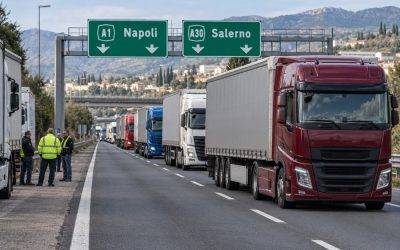
There are also widespread concerns that transport through busy ferry ports like Dover, and the rail freight terminal at Folkestone, are going to be severely hampered by the introduction of this new system, resulting in disruption and major delays from next month.
The Caledonian team will be monitoring developments closely.