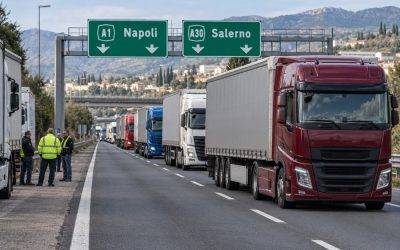
The UK and EU signed a new trade deal last week that should reduce friction in the movement of food and drink across borders, marking a significant shift in post-Brexit trade relations for importers and exporters within this specific industry.
Most commodities will see little to no change under the new deal. However, the agreement introduces a crucial breakthrough: the creation of a new “Sanitary and Phytosanitary Zone” (SPS Zone) between the UK and EU. This zone simplifies the process of certifying and moving food and agricultural products between the two regions.
The result? Streamlined paperwork, reduced inspections, and faster delivery times are expected – an especially welcome development for businesses dealing with fresh produce, meat, dairy, and other time-sensitive imports and exports.
Core Changes for the Food and Drink Industry
Export Health Certificates – Currently needed for animal products – will no longer be required.
Plant Health Certificates – Currently required for fruits, vegetables and plants – to be removed.
Certificates of Inspection (Organics) – Currently required for organic exports to the EU – to be removed.
Physical Border Checks – Documentary checks currently in place for all movements and up to 1/3 of shipments physically checked – routine checks will be scrapped.
Export Ban on Certain UK Food Products – Currently fresh sausages, burgers, and certain shellfish are banned for export – this ban will be lifted.
Benefits for Food And Drink Businesses
Lower operational costs: Fewer checks and simplified certification processes should reduce overheads.
Faster shipments: With reduced red tape, delays at the border should be significantly minimized.
Broader market access: More UK products will now meet EU standards, allowing companies to expand their market reach.
Concessions and Limitations
Regulatory alignment: The UK has agreed to remain aligned with certain EU sanitary and phytosanitary standards. While this helps ensure compatibility, it also limits the UK’s regulatory autonomy in these sectors.
Fishing concessions: As part of the broader package, the UK has granted the EU extended access to British waters – a move likely to stir controversy in coastal communities and the fishing industry.
When Will the Deal Take Effect?
As of now, there is no confirmed date for the implementation of the agreement. Trade deals of this nature typically require months of formal ratification by both sides. However, officials have signaled a desire to fast-track the process to deliver benefits to businesses as soon as possible.
If you have any questions, or need assistance with the upcoming processes, please do not hesitate to contact us. We’re here to help and make our customers supply chain processes as seamless as possible.